A Guide to Choosing the Best Roofing Material for Lasting Results
Choosing the right roofing material is essential for ensuring the longevity and performance of a roof. With numerous options available, each with unique properties, it can be challenging to determine which material best suits your needs. This guide explores how different materials affect the durability and overall effectiveness of roofs, helping homeowners make informed decisions that ensure long-term satisfaction.
The Role of Material in Roof Longevity
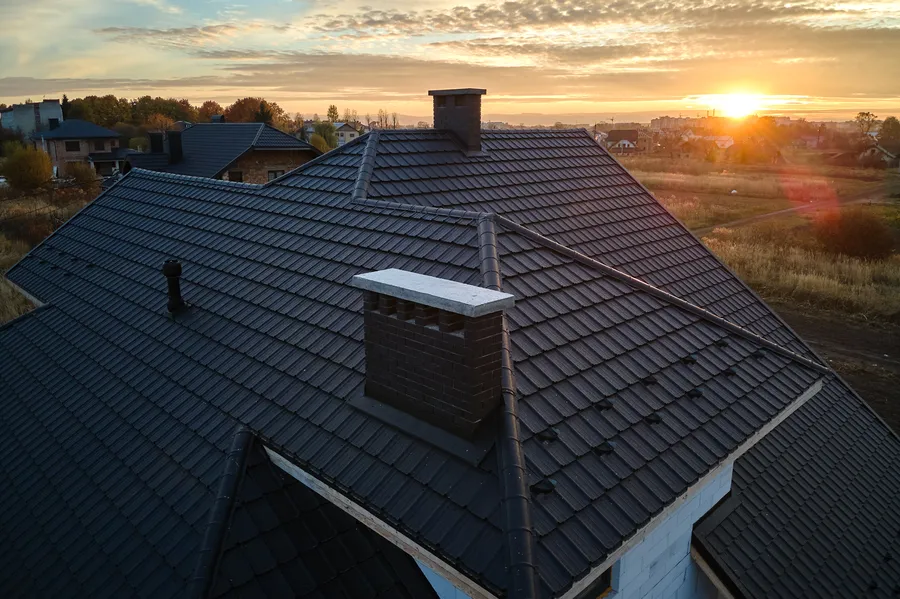
The type of roofing material significantly impacts how long a roof will last. Some materials are naturally more durable than others, offering greater resistance to weather conditions and daily wear. For example, metal roofs can last up to 50 years or more, while asphalt shingles might need replacing every 20 years. When planning a roofing installation, evaluating the expected lifespan of materials can help you make a cost-effective choice.
Weather Resistance of Different Materials
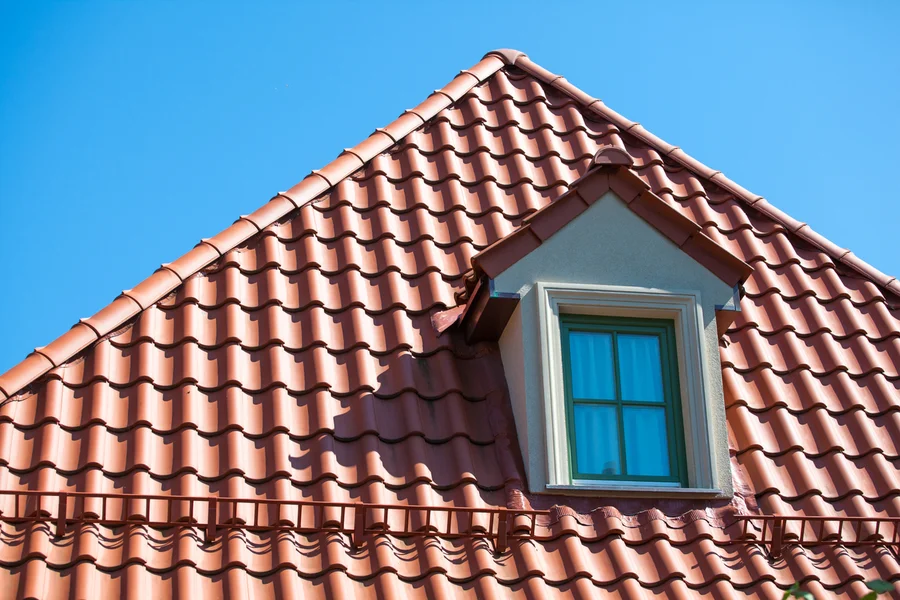
Weather plays a critical role in the deterioration of roofing materials. Certain materials, like clay tiles and slate, offer excellent resistance to extreme weather conditions such as heavy rain, hail, and high winds. Their natural density provides protection against external elements, making them ideal for regions with severe climates. During your next roofing installation, consider the local weather patterns to choose a material that offers optimal protection.
Cost Vs. Value: Finding the Right Balance
The initial cost of roofing materials varies widely but should be weighed against their long-term value. While some materials like metal may have higher upfront costs, their durability often means less frequent repairs and replacements. Asphalt shingles, on the other hand, are cheaper initially but may require more maintenance over time. Assessing both immediate and future expenses helps find the right balance between cost and lasting value.
Environmental Impact and Sustainability
In today’s world, many homeowners are concerned about sustainability. Materials like wood shakes provide an eco-friendly option due to their biodegradable nature. Metal roofs also contribute positively by being recyclable at the end of their life cycle. Selecting sustainable materials not only benefits the environment but also aligns with increasingly popular green building standards.
Installation Complexity and Costs
Different roofing materials come with varying levels of installation complexity. For instance, slate requires professional skill due to its weight and fragility, potentially increasing labor costs. Conversely, asphalt shingles are easier to install, reducing overall expenses. Understanding these differences ensures accurate budgeting for both materials and installation services.
Maintenance Requirements of Various Materials
Regular maintenance is crucial in extending the life of any roof. Some materials demand more upkeep than others; for example, wood shakes need consistent treatment to prevent decay and insect infestation. On the contrary, metal and tile roofs often require minimal maintenance. Knowing what each type of roofing entails regarding care can save you time and money in the long run.
Making Informed Decisions About Your Roof
Understanding how different roofing materials impact durability and performance empowers homeowners to make informed decisions about their homes. Consider factors such as lifespan, weather resistance, cost-effectiveness, environmental impact, installation complexity, and maintenance requirements when selecting a new roof. If you’re looking for expert advice and quality service, contact Febres Roofing LLC at (800) 248-1759. Our team, based in Orlando, FL, specializes in providing reliable solutions tailored to your specific needs.