The Effect of Climate on Roof Longevity
Weather plays a major role in determining the durability of roofs. Different climates pose unique challenges for roofing materials, impacting their lifespan and performance. Understanding how weather conditions affect your roof can help you make informed decisions about maintenance and material selection. By considering local climate factors like temperature fluctuations, precipitation, and wind patterns, homeowners can better protect their investment.
Temperature Extremes Affecting Roofs
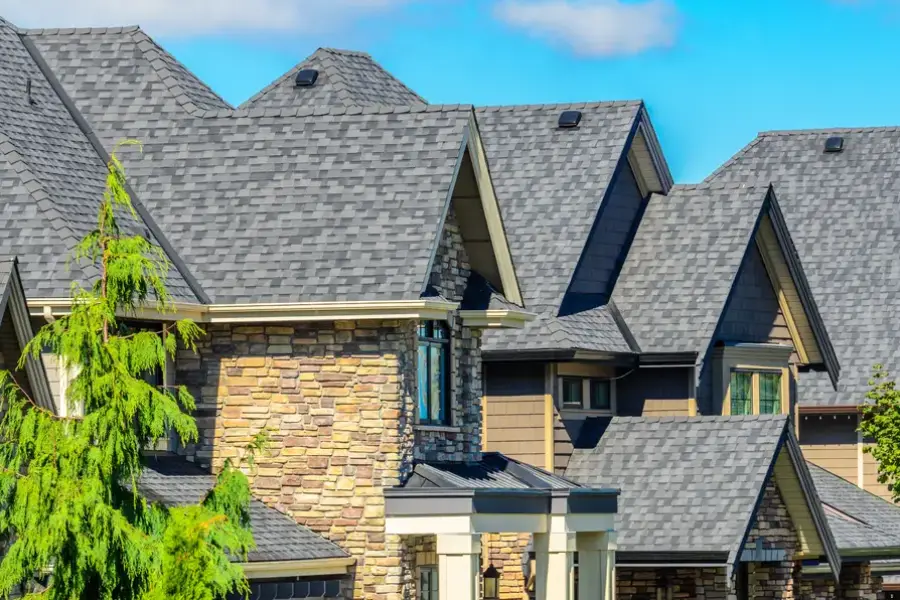
One significant factor affecting shingle roofing is extreme temperatures. When temperatures rise significantly during summer, shingles expand. As they cool down at night or during winter months, they contract. This constant expansion and contraction can lead to cracks and deterioration over time, reducing the lifespan of your roof.
Impact of Rain and Humidity
Rain and high humidity levels also have an impact on shingle roofing. Persistent moisture can lead to water damage, causing shingles to warp or rot. It is crucial to ensure that roofs are installed with proper ventilation systems to mitigate these effects. Adequate ventilation allows for the circulation of air, preventing condensation buildup under the roof.
Wind’s Role in Roof Damage
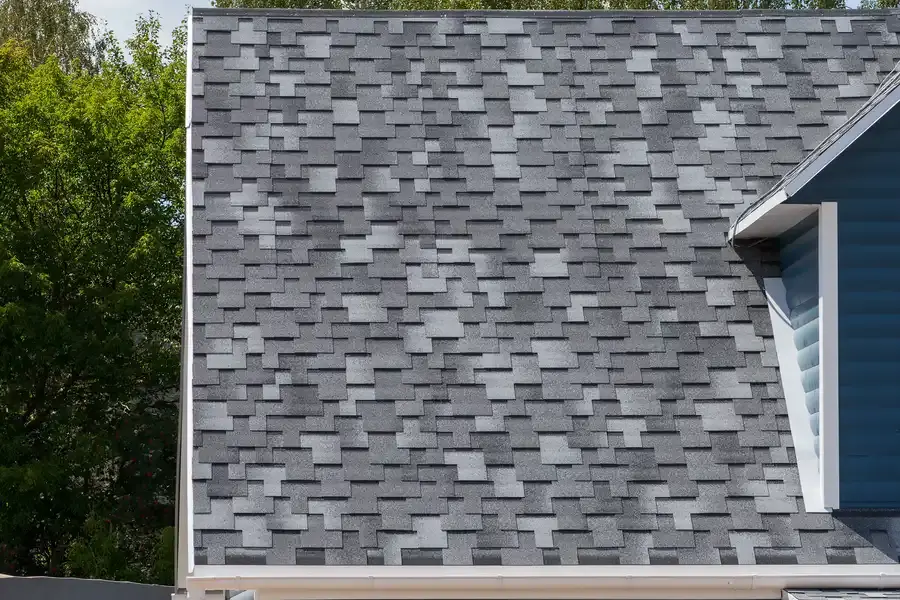
Strong winds pose a risk to all types of roofs, including those made from shingles. High-speed winds can lift shingles from their places or even remove them completely. This exposure leaves underlying structures vulnerable to further damage. Ensuring shingles are tightly secured during installation can help reduce this risk.
Sun Exposure and UV Radiation
Continuous exposure to sunlight and ultraviolet (UV) rays can weaken roofing materials over time. The heat from the sun causes shingles to become brittle and prone to cracking. Using reflective coatings or choosing lighter-colored shingles can help reduce the amount of heat absorbed by the roof.
Snow and Ice Concerns
In colder regions, snow accumulation adds weight to rooftops, increasing stress on structural components. Additionally, ice dams-formed when melted snow refreezes at roof edges-can block drainage paths. This blockage leads to water seeping under shingles, causing leaks. Regular removal of snow and use of ice-melting systems can prevent these issues.
Best Practices for Maintenance
- Inspect your roof regularly for signs of wear or damage
- Clean gutters to ensure proper water drainage
- Trim overhanging branches that could cause physical damage
- Consider applying protective sealants to enhance shingle durability
- Schedule professional inspections annually
Choosing Weather-Resistant Materials
Opting for weather-resistant materials is critical in extending the life of a roof. Asphalt shingles treated with algae-resistant granules are ideal for humid areas prone to moss growth. Similarly, metal roofing offers durability against strong winds and heavy snowfall. Selecting appropriate materials based on regional climate conditions ensures longevity and cost-effectiveness.
Final Recommendations for Homeowners
Investing in quality roofing materials and regular maintenance will save homeowners money in the long run. Proactively addressing potential weather-related threats extends the lifespan of roofs and prevents costly repairs. Located in Orlando, FL, we provide expert guidance tailored to your region’s specific needs. Our team at Febres Roofing LLC is ready to assist you with all your roofing requirements. Call us today at (800) 248-1759 for reliable service and support.