How Airflow Impacts Roof Durability Over Time
A well-installed roof is vital for any building’s longevity. Yet, many overlook the importance of proper ventilation in extending this lifespan. Without adequate airflow, roofs may suffer from moisture buildup, leading to mold or rot. Both can cause structural damage over time. Understanding why ventilation matters and how it affects roofing can help you make informed decisions when planning installations.
The Importance of Effective Airflow
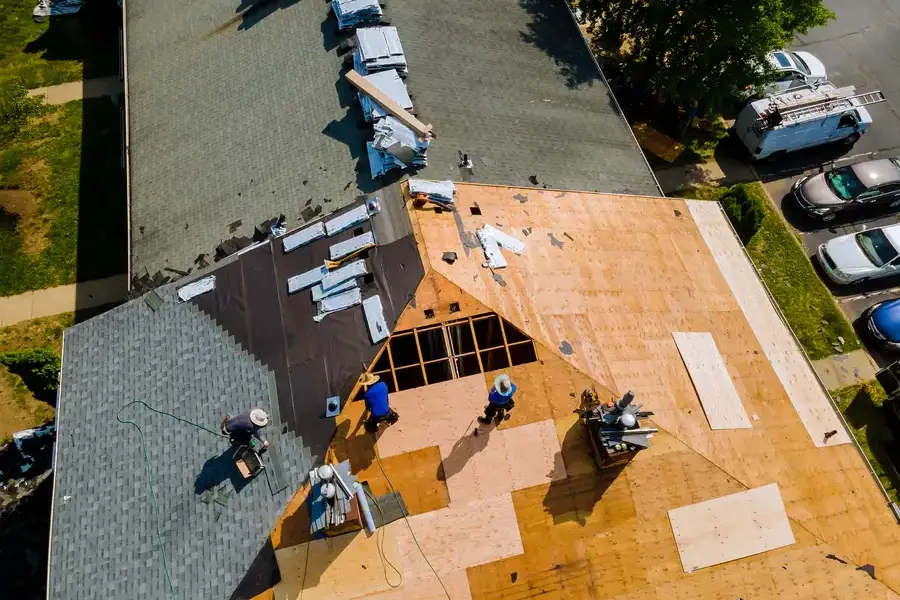
Effective airflow within a roof system reduces moisture levels and regulates temperature. This balance helps maintain the roof’s materials and supports energy efficiency inside the home. The benefits extend beyond just the roof. Properly ventilated spaces prevent ice dams during winter, which can damage both shingles and gutters.
Benefits of Proper Ventilation for Long-Lasting Roofs
The role of proper ventilation becomes clear when considering its benefits. Firstly, it extends the life span of your roof by preventing premature aging. Secondly, it reduces heating and cooling costs by maintaining stable temperatures. Lastly, a well-ventilated attic space can improve indoor air quality by reducing moisture-related issues such as mold growth.
Common Issues With Poor Ventilation
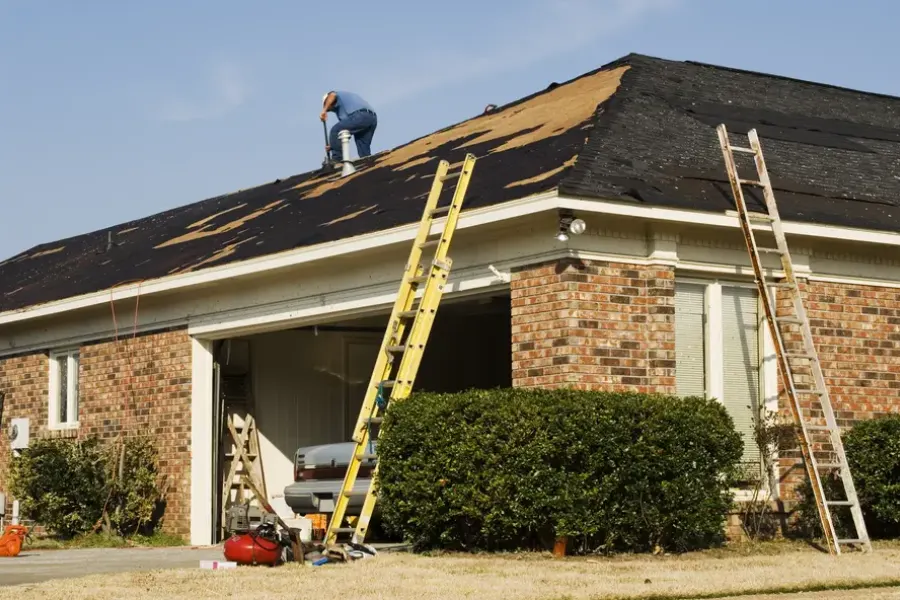
Poor ventilation often leads to several issues that can undermine a roofing installation. Trapped heat and moisture are the main culprits. They can cause wood to warp or shingles to degrade faster than expected. In extreme cases, inadequate ventilation may lead to ice dams forming at the edge of the roof during cold weather.
Key Solutions for Achieving Optimal Roof Ventilation
Ensuring optimal ventilation involves specific strategies tailored to your roof’s design. One essential approach is installing vents at both the eaves and ridge. This setup allows warm air to exit through the top while drawing cooler air in from below. Other useful methods include:
- Using soffit and ridge vents together
- Installing gable vents where appropriate
- Choosing high-quality vent products suited to your climate
Best Practices for Maintaining Roof Health
Maintaining a healthy roof requires regular inspections and upkeep. Check for signs of wear or damage at least twice a year. Clean debris from gutters and ensure no obstructions block airflow. Additionally, consider professional assessments periodically to address minor issues before they escalate.
Industry Standards for Ventilation Systems
Various standards govern proper ventilation systems in roofing projects. Following these guidelines ensures compliance and enhances performance. For instance, the International Residential Code (IRC) specifies minimum ventilation requirements based on attic size. Meeting these criteria protects against potential damages and maximizes the effectiveness of your roof structure.
Understanding Cost Factors for Quality Ventilation
Investing in quality ventilation might seem costly initially but offers long-term savings. Reduced energy bills and fewer repairs offset initial expenses. When evaluating quotes, assess what components contribute most significantly to costs-such as labor, materials, or additional features like smart controls.
Your Next Steps Towards a Longer-Lasting Roof
Now that you understand the impact of ventilation on roofing longevity, consider assessing your current system. If improvements are necessary, consult professionals for advice tailored to your needs. Located in Orlando, FL, our team at Febres Roofing LLC specializes in delivering excellent solutions for your roofing needs. Call us today at (800) 248-1759 to schedule an expert consultation. We look forward to helping you secure a durable and efficient roofing system.